





By Supplementenscannertext revised 16 October 2026How we compare
A kilo of powder against a kilo of protein
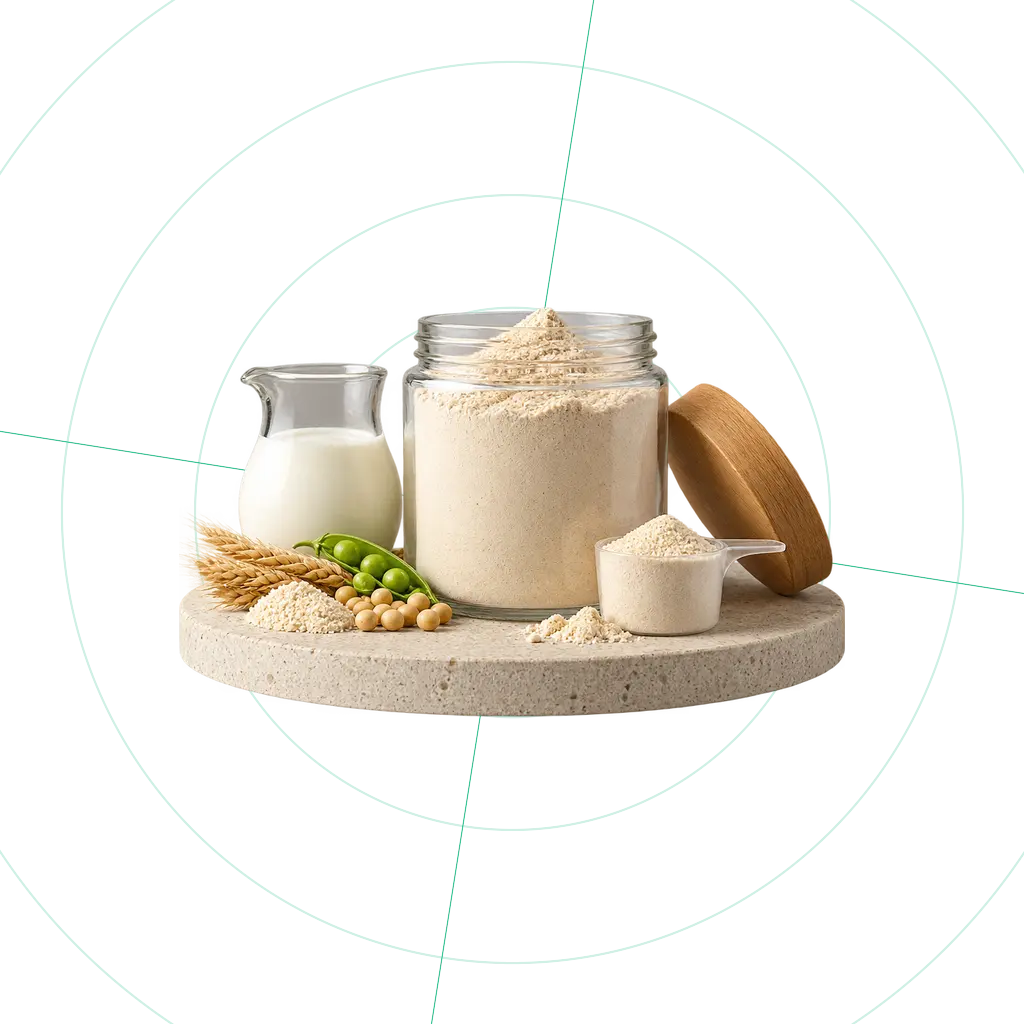
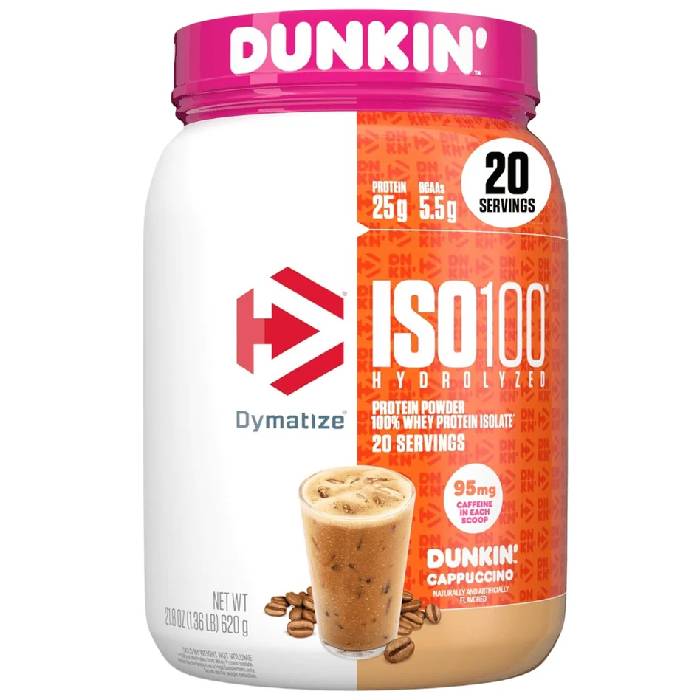
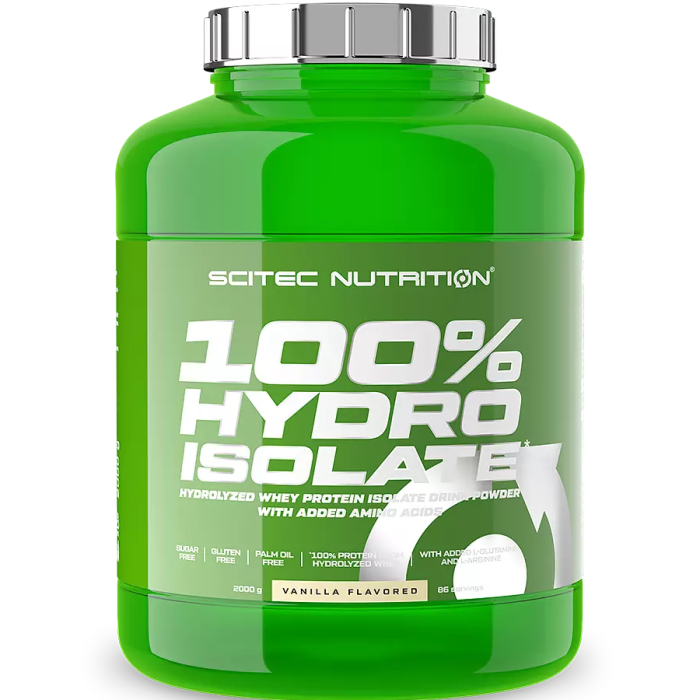
A bag of whey protein carries two weights worth reading. The front gives the net weight; the nutrition table gives the grams of protein per 100g of powder. Only the second turns a price per kilo into a price for the protein itself, so two bags with the same price per kilo can sit far apart once their tables differ.
The whey, whey isolate, plant protein and blend shelves therefore rank on price per kilo of protein. Bags whose label we have not read yet follow after all of those, ranked on price per kilo of powder.
Flavour counts in the nutrition table. Cocoa, flavouring and sweetener weigh something too, so a chocolate bag usually prints a different protein figure from the plain bag of the same powder.
What the pack says about isolate, plant protein and blends
Whey isolate names isolate among its ingredients, where ordinary whey names concentrate; hydrolysed whey, broken down further, is filed on the same shelf. Protein and fat per 100g are the lines that show the difference, while lactose is not always printed.
Plant protein names its source on the same list: pea, soy, rice or hemp, or a mix with the heaviest source written first. A soy isolate and a three-plant powder meet on one measure, the price of their protein.
A protein blend combines sources, such as whey with casein, or several plants. The list orders them by weight but seldom says how much protein each contributes.
Weight gain powders are ranked on the whole bag
In a mass gainer, carbohydrate makes up most of the powder and protein the rest, in a balance each brand sets. You pay for the whole mix, so gainers are compared per kilo of powder.
Creatine: the form on the tub before the name on it
Creatine has a short label, and the form is written out on it: monohydrate, HCl, ethyl ester or buffered. Creapure is a trade name for one maker's raw material, not a separate form. Capsule tubs state milligrams per capsule, and only a tub that also states a net weight gets a price per kilo to rank on.
BCAA and EAA are counted by the scoop
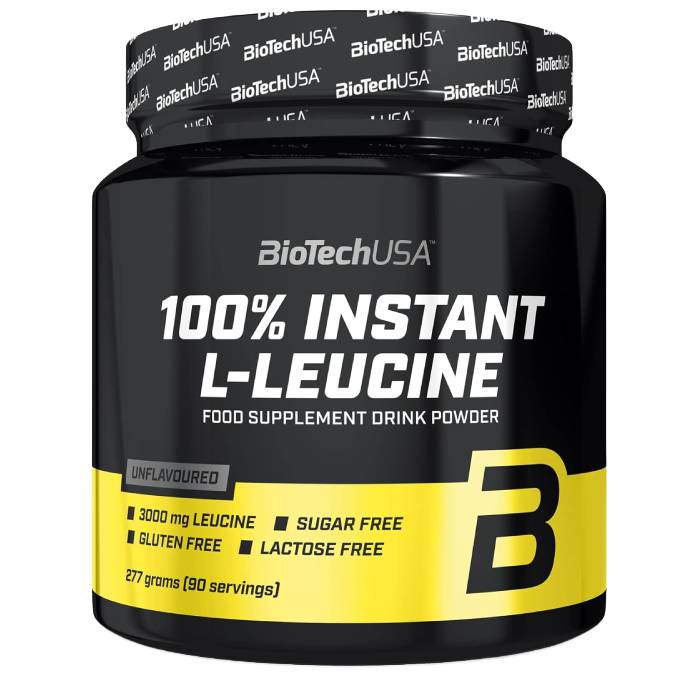
BCAA and EAA rank per serving, and the manufacturer decides how large a serving is. Two tubs at the same price per serving can hold different amounts of powder, so the serving in grams is the figure to check. A BCAA tub usually gives its leucine, isoleucine and valine ratio, for example 2:1:1, 4:1:1 or 8:1:1; an EAA tub lists each amino acid per serving.
Casein, pre-workout and the rest of a gym bag
Searches for the best supplements for muscle growth also turn up casein, a milk protein with its own page, and pre-workout, which belongs with the caffeine products under energy and focus. Weight loss keeps shelves of its own, from fibre and green tea to L-carnitine.