






By SupplementenscannerHow we compare
Prescription first: which of these is a medicine
The NHS writes of orlistat: "It's available as Xenical with a prescription, or you can buy it at a lower dose as Alli or Orlos from a pharmacy." An online doctor sits in the top three results for this search and lists weight loss injections beside those tablets. None of that is a food supplement, and a licensed medicine and a food supplement fall under separate rules for labelling, sale and advertising. Only the second of the two is something a supplement price comparison can rank.
Glucomannan, psyllium and inulin do not share a portion
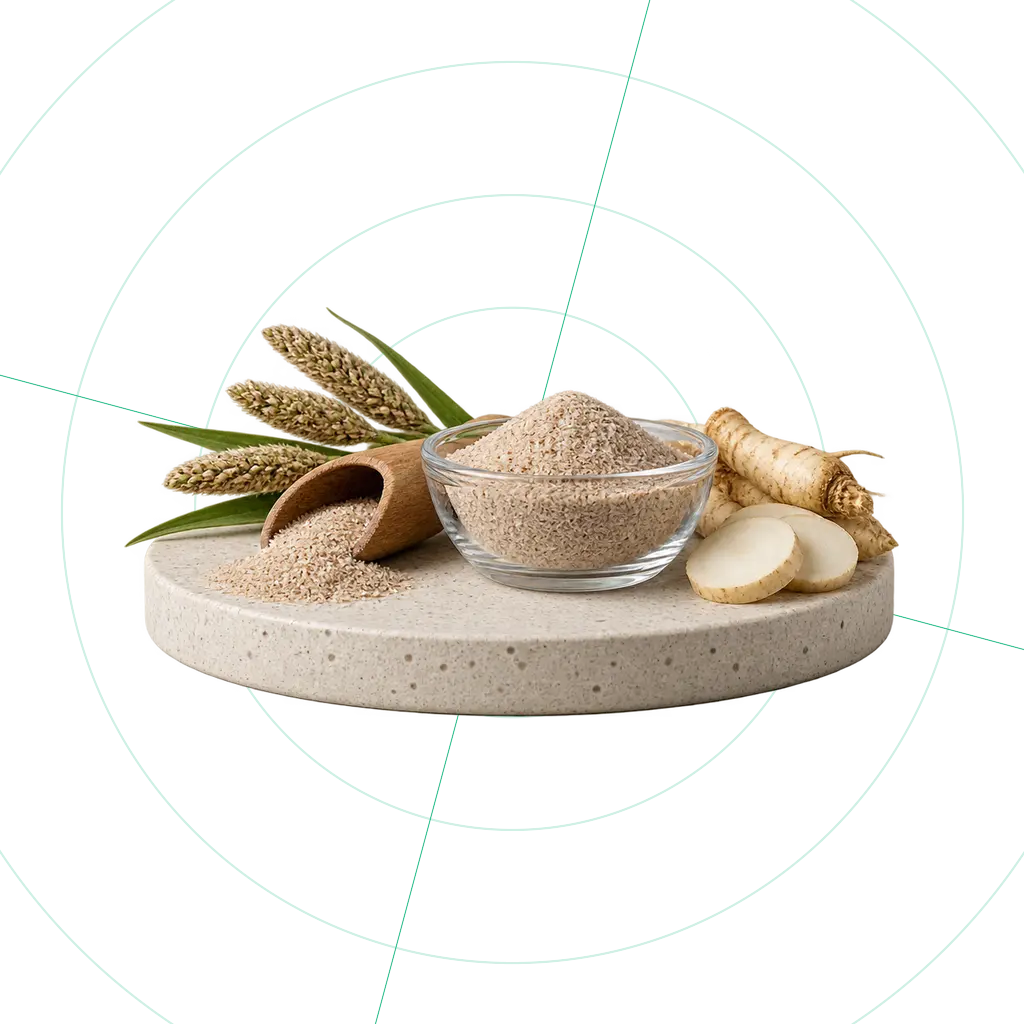
Glucomannan from konjac is the ingredient the British results lead with, and fibre is also the family whose portion moves most from one tub to the next. A glucomannan pack counts capsules, a psyllium tub counts scoops of a few grams, an inulin pouch counts powder doses. The ranking follows the portion the pack states rather than the weight of the tub, which makes that portion the first figure to look up. The rest of that range sits on digestion and fibre.
"Proprietary blend" is where a fat burner stops being comparable
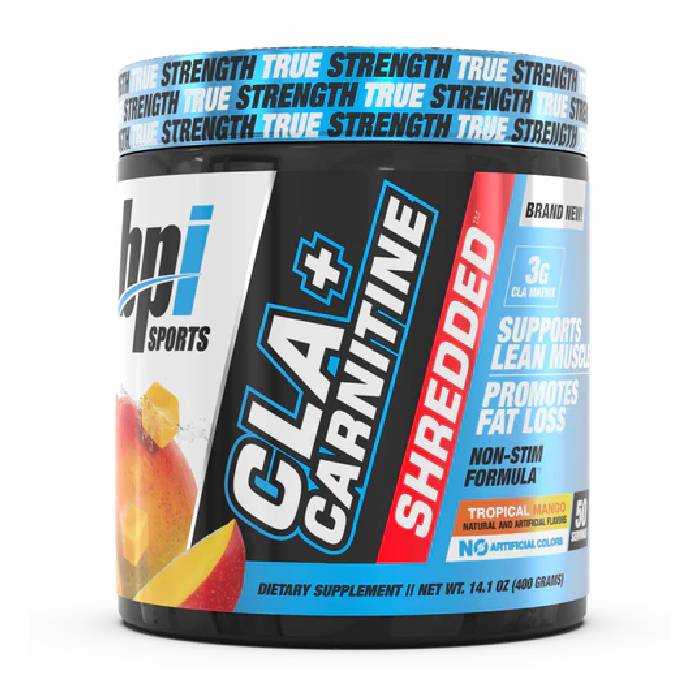
A fat burner lists much the same names everywhere: caffeine, green tea extract, L-carnitine, chromium, guarana, sometimes cayenne. Where the milligrams per ingredient are replaced by one "proprietary blend" line and a total weight, there is nothing left to set against the loose ingredients. Guarana does the same thing in miniature, carrying caffeine of its own that not every label adds to the caffeine declared separately.
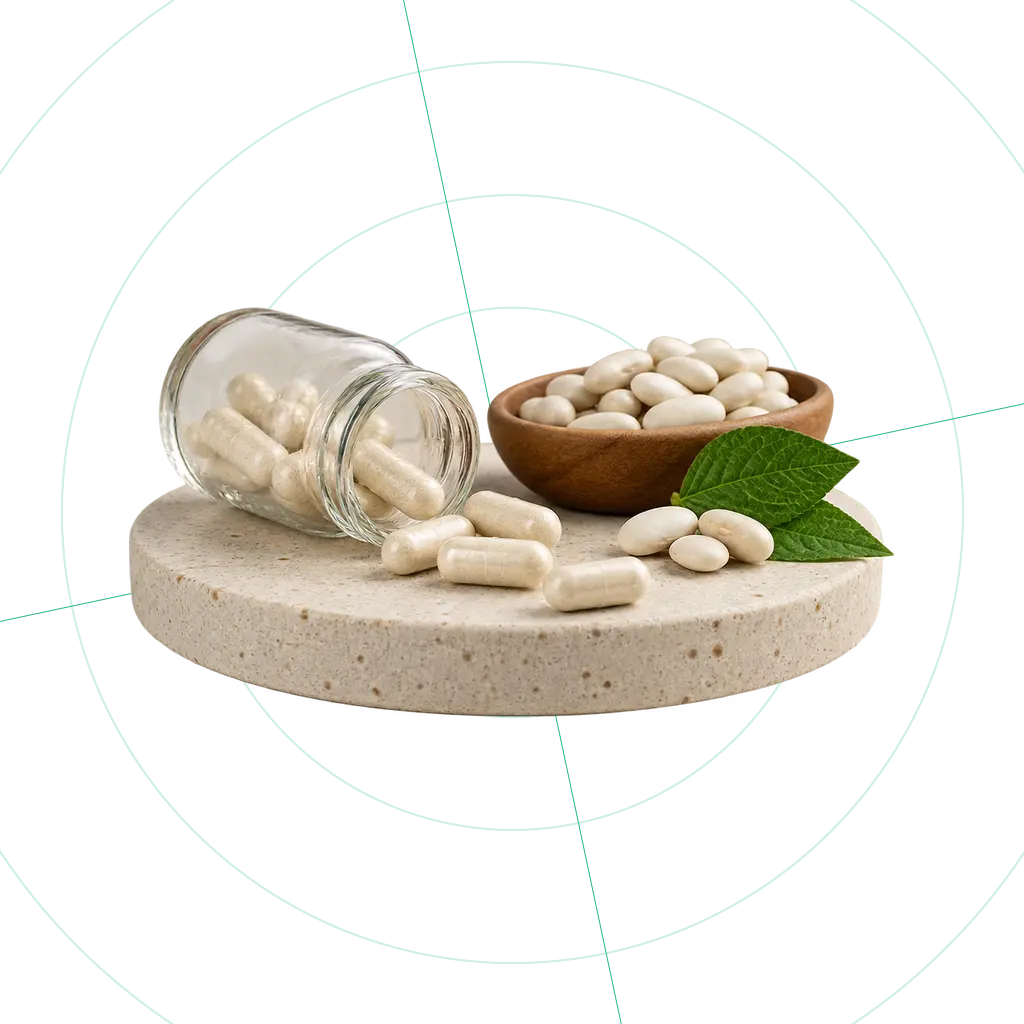
A carb blocker loses comparability one layer further in. The label names its active, white kidney bean extract, as Phaseolus vulgaris or phaseolamin, and the milligrams it prints are milligrams of extract: only the concentration ratio, where a box states one, says what that weight is made of.
Dose is the other trap. Two or three capsules at a time is usual, so a price per capsule is not a price per day. The ranking runs per serving, and a tub that states no serving count gets no per-serving price at all.
Three labels where the big number is not the dose, and one where it is
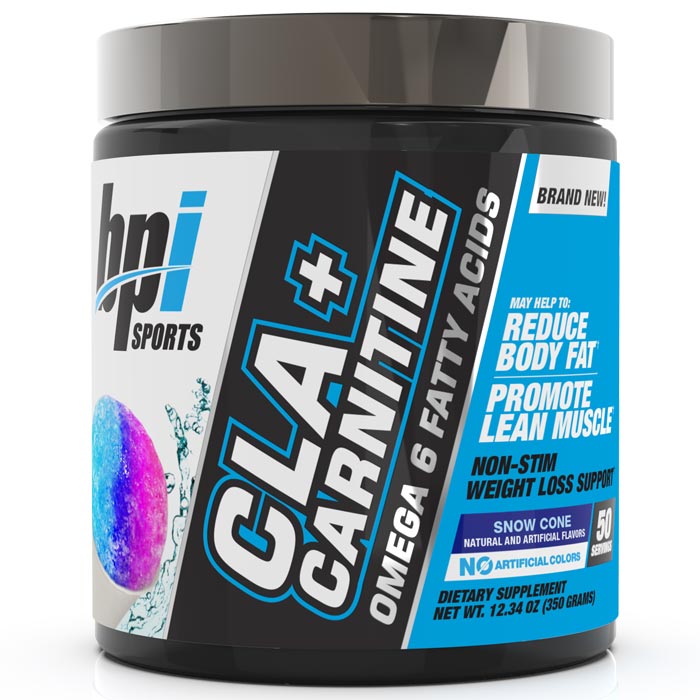
L-carnitine prints the salt first, usually the L-tartrate, and the carnitine it contains one line below. Acetyl-L-carnitine is a different form at its own price, and liquid carnitine is sold in millilitres, a third unit beside capsules and powder.
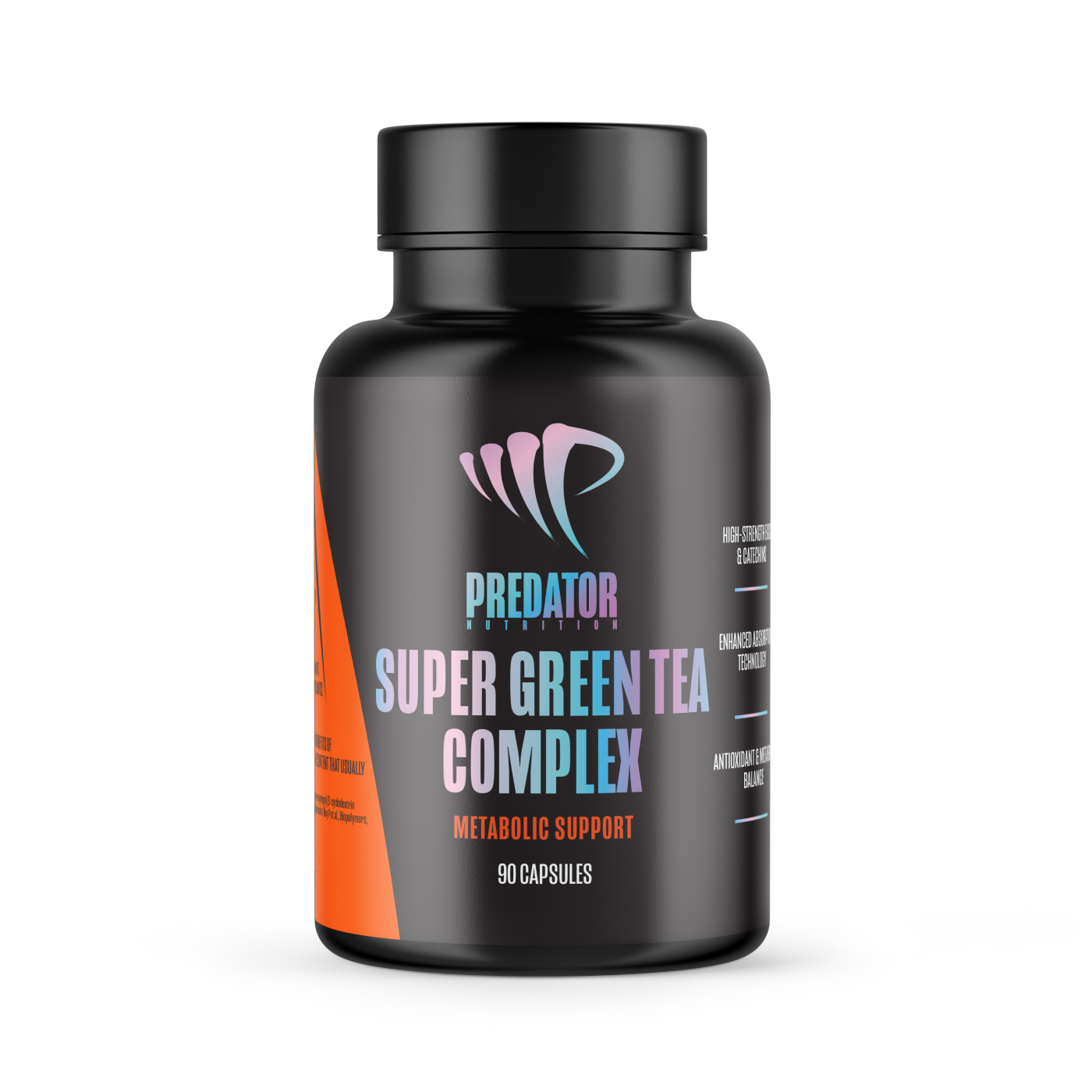
The figure to compare green tea extract on is the EGCG, in milligrams per capsule. It comes last on the label, after the weight of the extract and the percentage of polyphenols or catechins, and it is the only one of the three that survives a change of brand. Matcha, in the same category, is sold by the gram; a pack that counts no capsules or servings gets no per-capsule price.
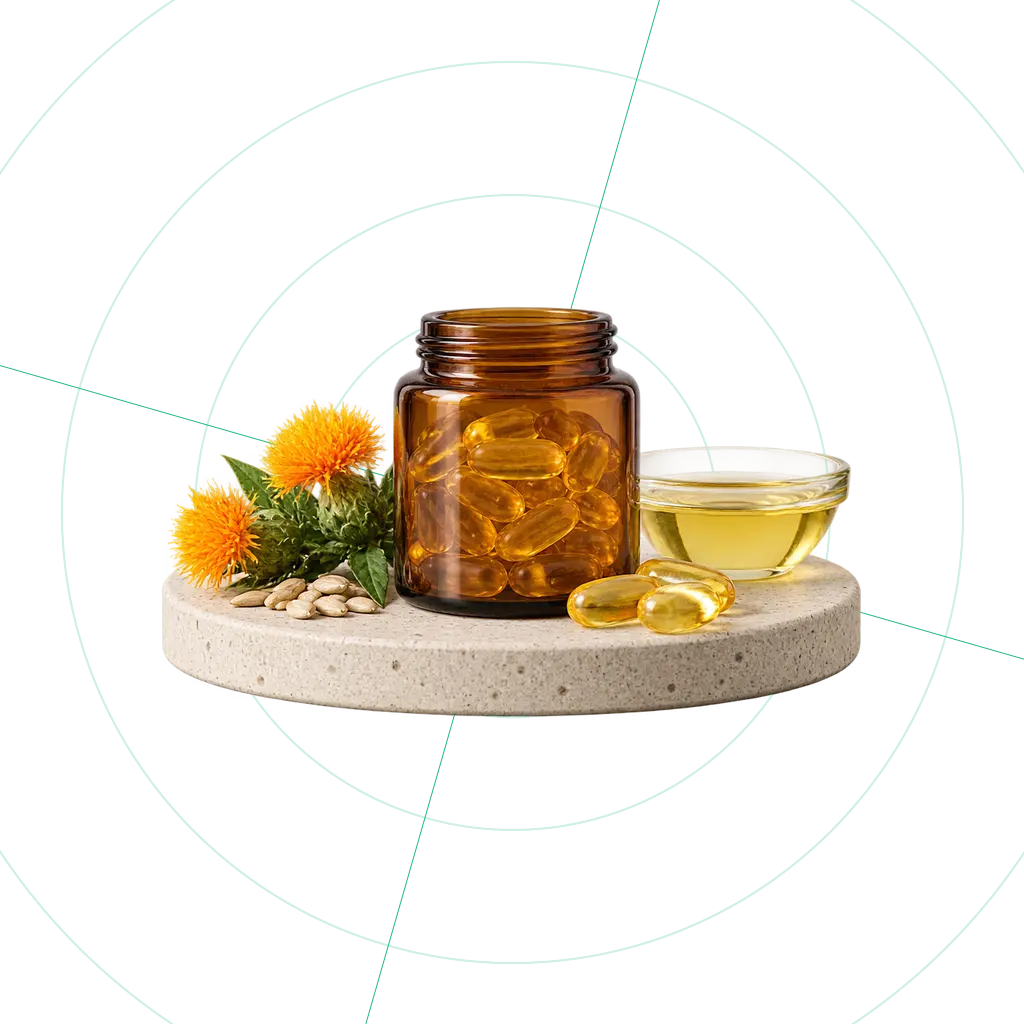
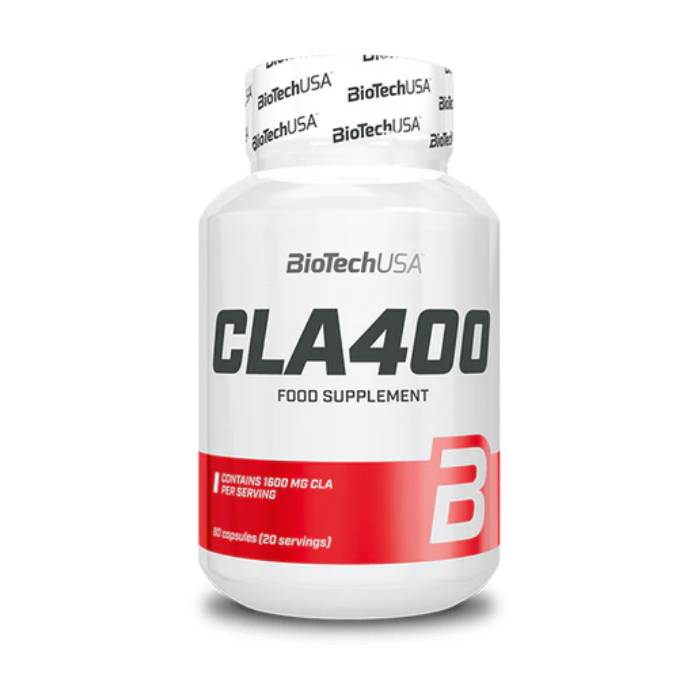
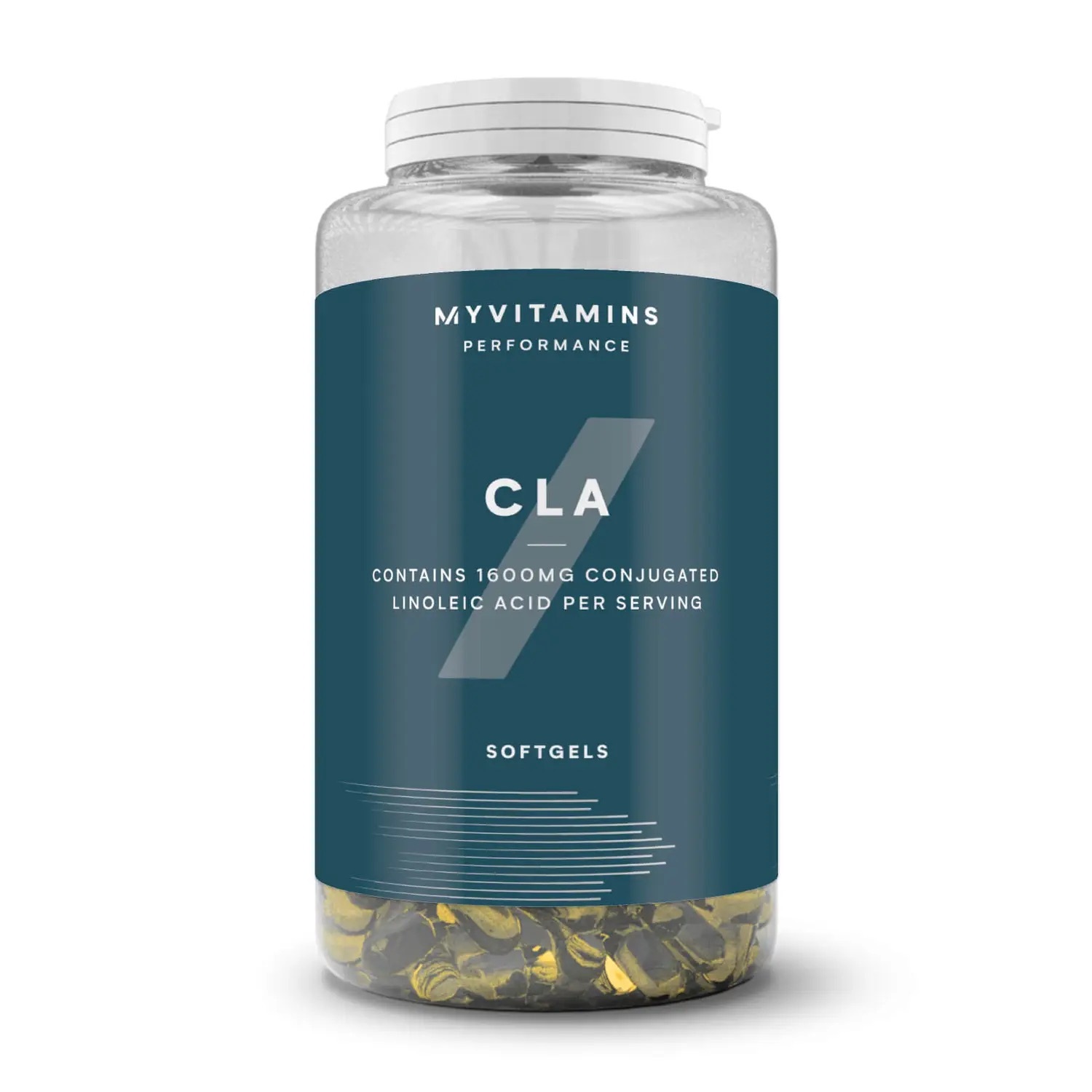
CLA leads with the oil weight of the softgel, usually safflower, then the CLA content as a percentage, sometimes with the split between the c9,t11 and t10,c12 isomers.
Caffeine is the exception, with nothing to derive: milligrams per tablet, as caffeine anhydrous. Where it comes from guarana, a percentage takes the place of a dose. The same tablets appear on energy and focus.
Protein is the other half of this search
"Protein supplements for weight loss" carries as much monthly volume as the head term itself, and it lands on whey and plant protein rather than on any of the six families: those rank on price per kilo of protein under muscle mass, and buying whey cheaply works through that sum, in Dutch.
The other big modifiers move nothing on the label. "That actually work", "for women" and "natural" change the marketing copy on the tub and leave the ingredient list exactly where it was. Holland & Barrett and Boots turn up in the related searches as places rather than products, and neither is among the shops Supplementscanner reads. Every shop that is read keeps its own row in the ranking: a tub in one shop is never merged with the same tub in another.