





By SupplementenscannerHow we compare
Folic acid is B9 in Britain and B11 on a Dutch pack
The NHS writes: "Do not take more than 10mg of vitamin B6 a day in supplements unless advised to by a doctor." On a vitamin B and B-complex pack, B6 is printed in milligrams and B12 in micrograms, so the units shift within a single tablet, and folic acid is numbered B9 on a British pack and B11 on a Dutch import: same substance, different number.
The percentage column shifts names too. A British pack heads it NRV, for nutrient reference value, where a European one prints RI. It is the column that exposes a gap between two packs whose front labels list the same ingredients.
Gentle iron and magnesium glycinate are shelf names, not doses
British shelves rename these two minerals rather than redescribe them. "Gentle iron" is the trade phrasing for iron bisglycinate, and magnesium glycinate and magnesium bisglycinate are the same compound under two spellings. Neither phrase carries a dose, so on iron and magnesium the figure to find is the one further down the panel. The iron forms are set out on iron, and what the magnesium compound does to a price per capsule is worked through in buying magnesium.
Both also sell as gummies. A gummy pack declares its amounts per serving, and a serving is often two gummies, so the per-piece figure is one the reader has to work out before a price per gummy means anything.
A THR number puts rhodiola or ginseng in another class
Some rhodiola and ginseng packs carry a THR number, which marks a registered traditional herbal medicine rather than a food supplement: a different product class, printed on the box.
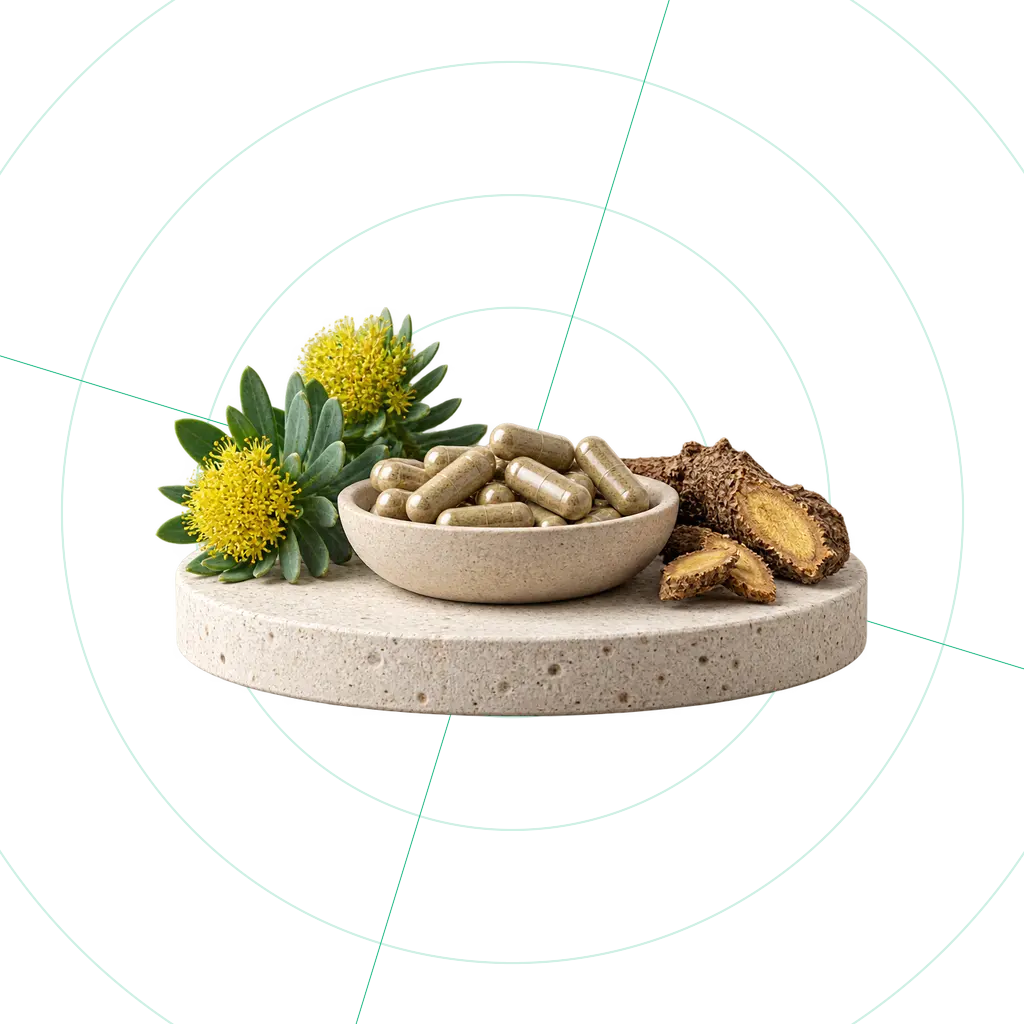
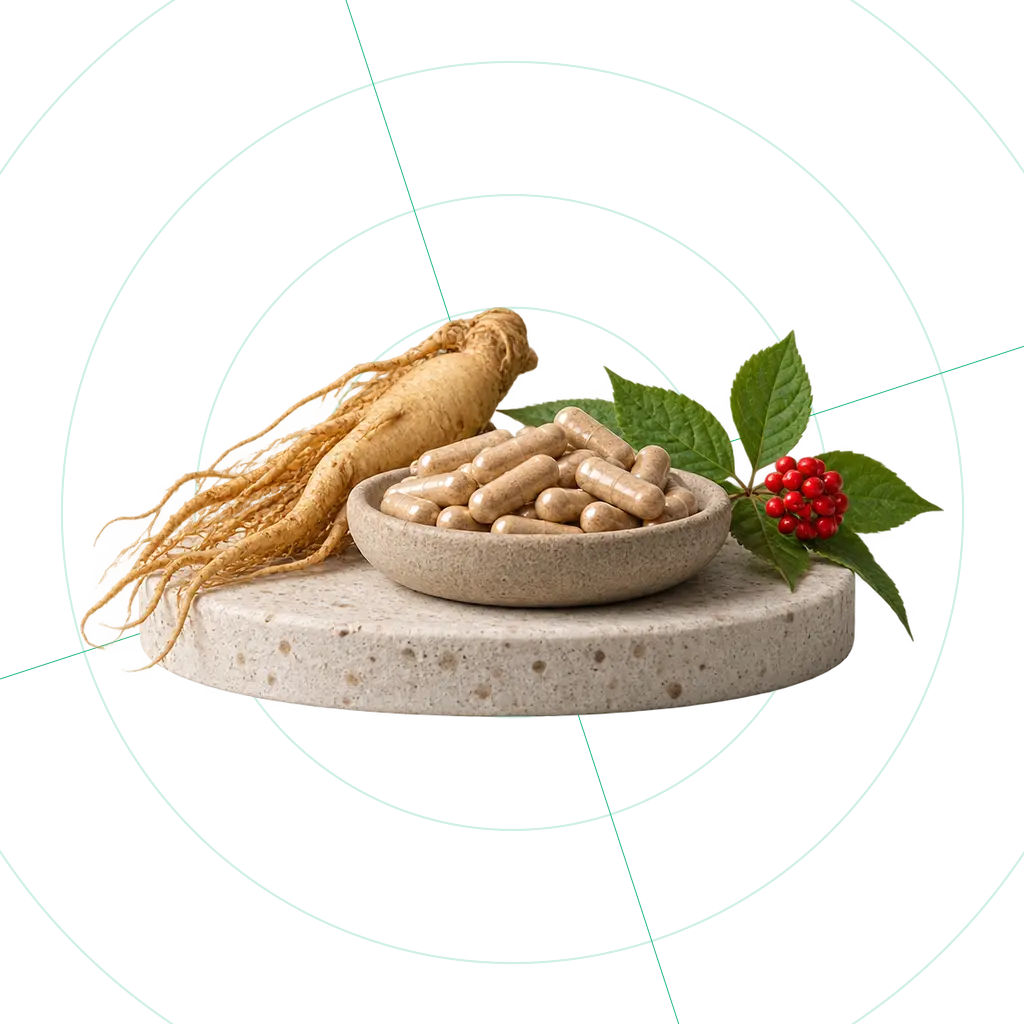
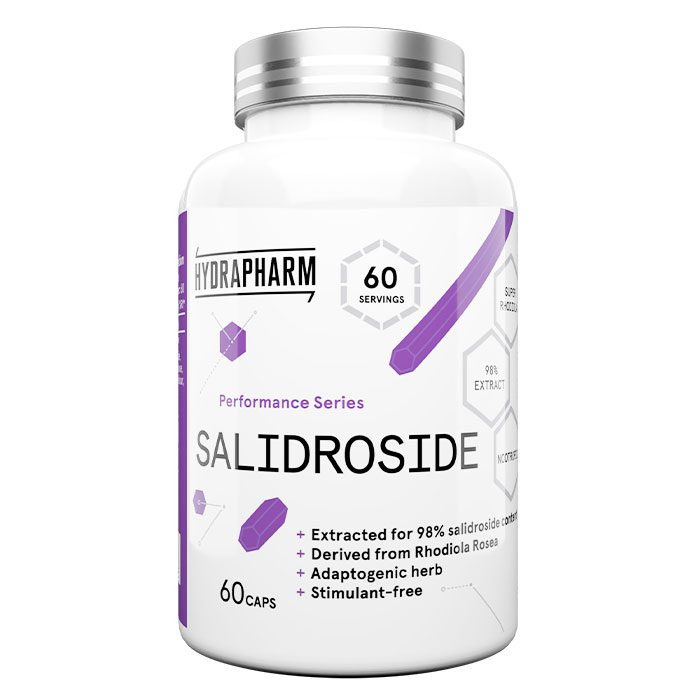
Sold as supplements, both are priced by percentage rather than by weight. A rhodiola extract is standardised on rosavins and salidroside, commonly at 3 per cent and 1 per cent, and a pot stating only a milligram figure has left both off. Ginseng is standardised on ginsenosides, and its packs also settle a species question: Panax, red or white, against so-called Siberian ginseng, botanically Eleutherococcus senticosus.
Coenzyme Q10 outnumbers caffeine on the British results
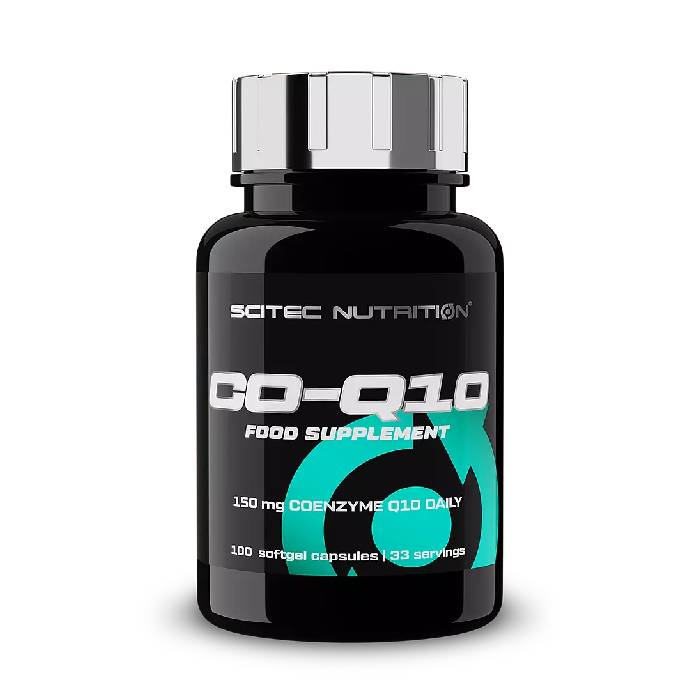
Across the British pages ranking on energy and tiredness, coenzyme Q10 is named on more of them than caffeine is, which is the reverse of the Dutch picture. Coenzyme Q10 comes as ubiquinone or ubiquinol, in an oily softgel or a dry capsule, and a British pack may print the pharmacopoeia name ubidecarenone. Four presentations, all in milligrams, none interchangeable.
Caffeine, pre-workout, taurine and theanine: four packs, three units
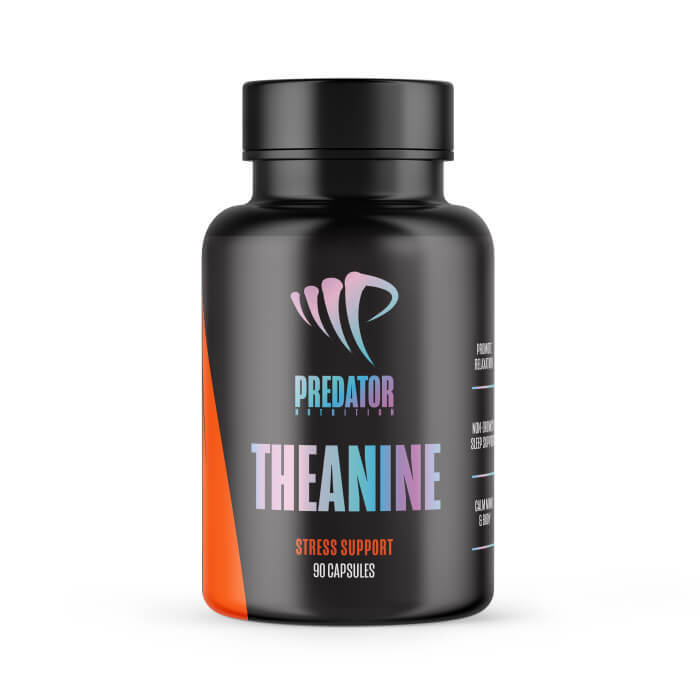
Caffeine states milligrams per tablet and is ranked per tablet, while a pre-workout is ranked per serving. A tub advertising thirty servings is advertising the maker's own scoop, so the caffeine per scoop is the figure that sets it beside a tablet. Taurine is a powder compared per kilo, and capsules of it need a net weight on the pot to earn that price. Packs combining caffeine and L-theanine print two milligram lines while sitting in a single category.
What the ranking lines up, and what it leaves to you
The ranking does one thing: each category on its own unit, cheapest first. It does not level the doses, and nothing filters on dose, so that reading stays yours. Every seller also keeps its own row at its own price, because we do not tie two shops to one product record.
"Brain supplements" and "brain health supplements" are the other large British cluster around this topic, and they land on these same L-theanine, ginseng and Q10 packs under a different heading. Boots and Holland & Barrett sit in the searches as places rather than as products, and neither is a shop we scan. Beyond that there is reading a supplement label, sleep for magnesium and L-theanine, weight loss for caffeine and muscle mass for the pre-workout tubs.