





By SupplementenscannerHow we compare
Five of the eight can be measured, three only counted
Coenzyme Q10, fish oil, taurine, quercetin and resveratrol each sit in a category with a comparison unit attached. NMN, spermidine and TMG sit in no category at all: they are matched on the product name, so the price of the whole pack stands in for a unit. The dividing line is whether a single unit could be honest. NMN is sold as a powder weighed in grams and as capsules printed in milligrams, and nothing converts the one into the other without an assumption.
The label closes that gap by hand. A pot stating 500 mg per capsule, 60 capsules and two capsules a day covers a month; a pouch gives a net weight. A brand may add a purity figure of 99 per cent or higher, and a raw-material name such as Uthever, which fixes an origin and not an amount.
The percentage is the number that settles spermidine and resveratrol
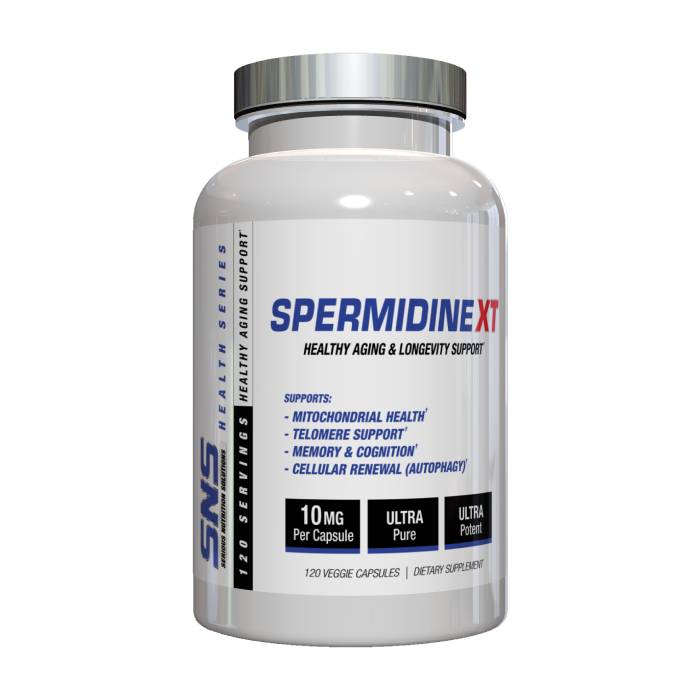
Spermidine is extracted from wheat germ, and the weight printed largest is the extract, not the spermidine. One brand's capsule declares 3 mg of spermidine from an extract standardised to 5 per cent polyamines and 2 per cent spermidine; on another pack, two capsules holding 800 mg of extract between them declare 1 mg. The front of both says the same word. Where a percentage is printed, that is the figure doing the work.
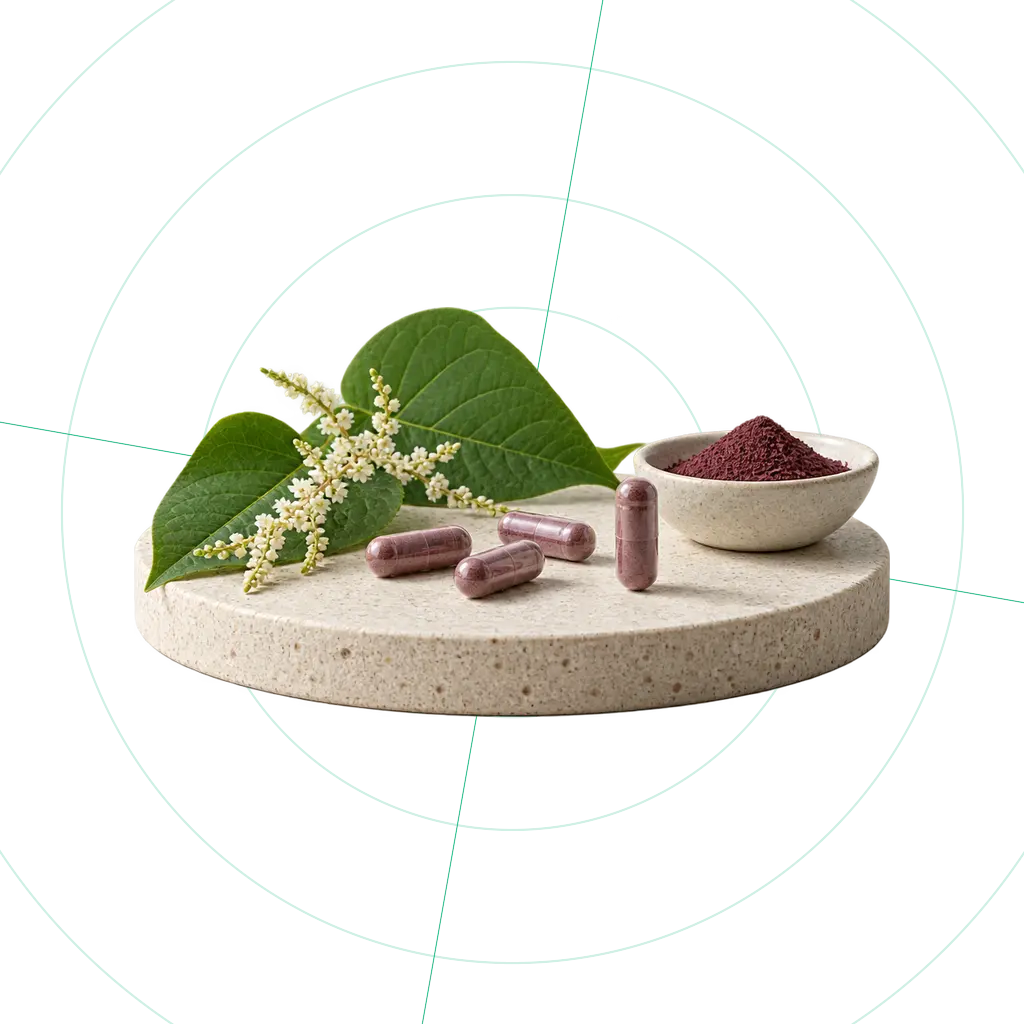
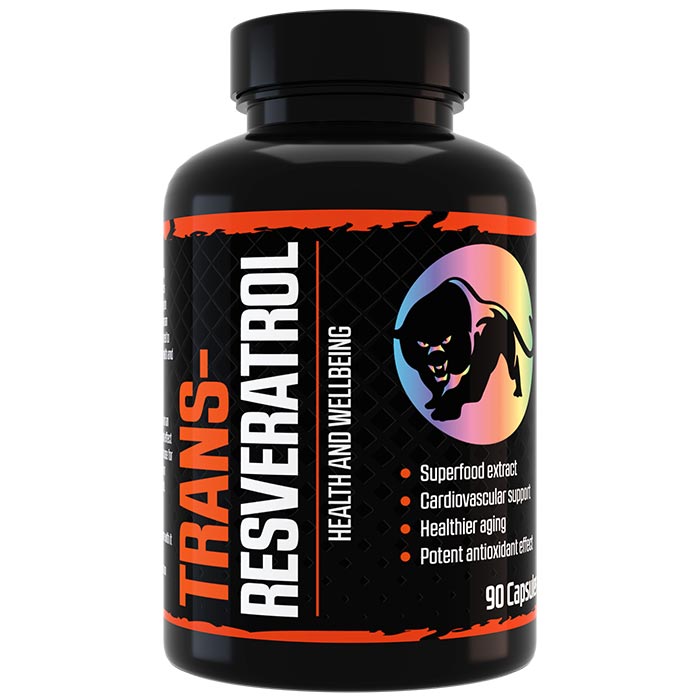
Resveratrol runs on the same arithmetic. The extract comes from Japanese knotweed (Polygonum cuspidatum, also Reynoutria japonica), and the standardisation is written as a percentage of trans-resveratrol, with 98 per cent a common grade and 500 mg a common capsule strength. Without that percentage, a milligram figure on the front could be either the extract or the substance. A per-capsule rank prices that capsule and leaves the percentage to you.
Betaine is two products wearing one word
TMG is trimethylglycine, written on most labels as betaine anhydrous, and sold as a powder by the gram. Betaine HCl is a separate product: betaine bonded to hydrochloride, in capsules of 500 to 1000 mg. A name match on betaine returns both, because the word sits on both. The ingredients panel settles which one is in the pot; the front of the pack does not.
Q10, fish oil, taurine, quercetin and resveratrol each carry a unit
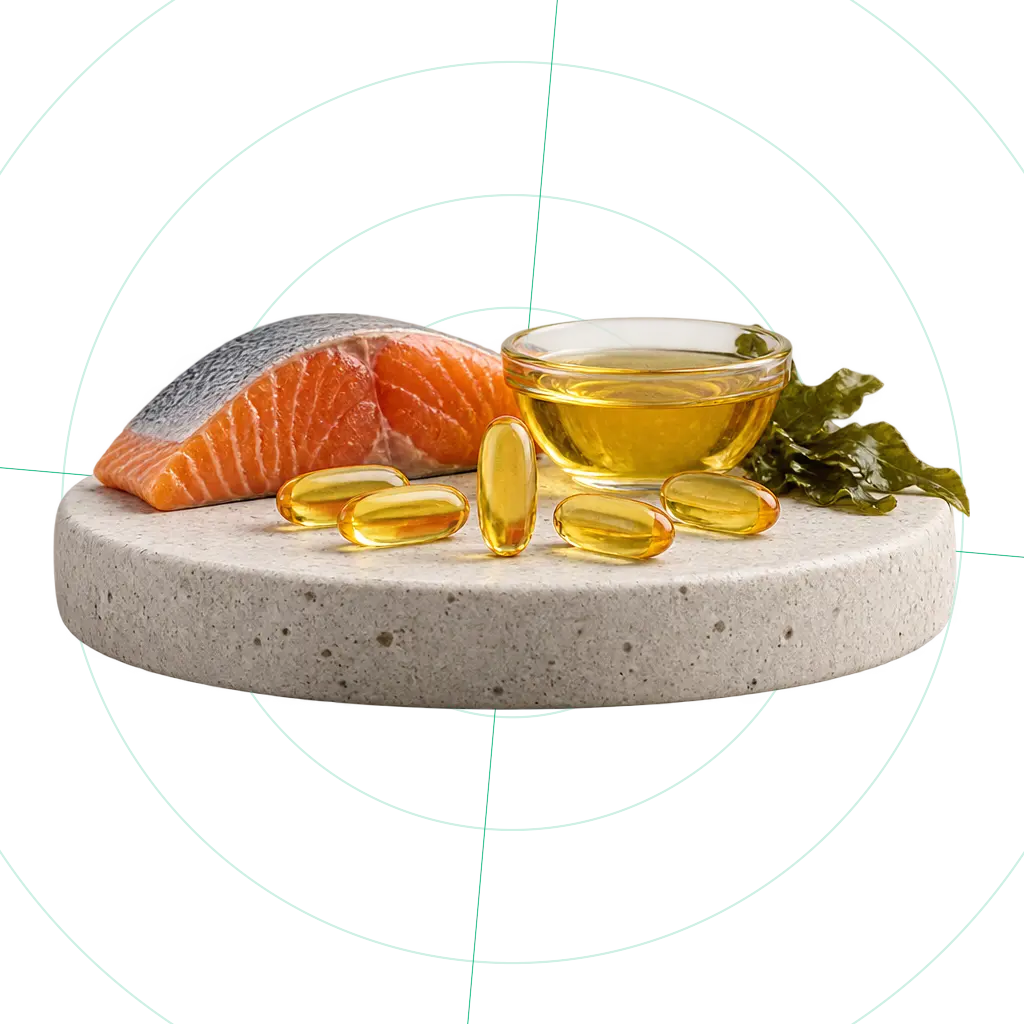
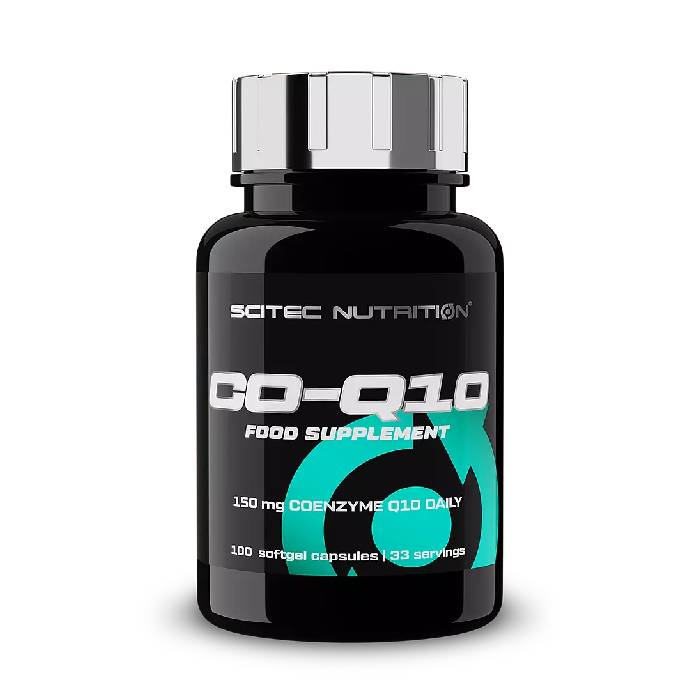
Coenzyme Q10, fish oil, quercetin and resveratrol rank per capsule, taurine per kilo. Taurine is the only one of the eight whose unit is a weight rather than a piece. A quercetin panel names the form as quercetin dihydrate, and the capsule being ranked is frequently a combination with vitamin C and bromelain, so the quercetin line is one part of what the price covers. The EPA and DHA lines beneath a fish oil front label are worked through in buying cheap fish oil.
A unit levels the container and never the dose. With Q10 it is the milligrams per capsule that decide whether a cheap capsule is also a cheap milligram, and that conversion is in neither the ranking nor any filter. Products are not matched between shops either, so one pot carried by two shops produces two separate rows at two separate prices. Q10 and fish oil also appear under energy and focus and immunity, and reading a supplement label sets out what the rest of the wording on a pack commits to.
Where NMN stands in Great Britain, and where the record stops
The Food Standards Agency writes that novel foods need to be authorised before they can be placed on the market in Great Britain, and that decisions the EU took after 1 January 2021 do not carry over into GB. The European Commission, for its part, classes nicotinamide mononucleotide as a novel food on the ground that a history of consumption in the EU before 15 May 1997 has not been established, and lists a beta-NMN application among its ongoing ones. Those are their two positions, taken from two different registers. The FSA's published list of Article 4 outcomes, read in September 2026, carries no entry for NMN, which leaves nothing more definite to cite for Great Britain than the general rule.