





By SupplementenscannerHow we compare
What a British nutrition panel lets you check
A British multi carries a panel listing each nutrient in milligrams or micrograms with a percentage of the nutrient reference value beside it, and that percentage is a shortcut. Where a multi prints 375 mg of magnesium at 100% NRV, those milligrams are the elemental amount, because the reference value is set on the element rather than the compound around it.
The herbal part of the same panel has no NRV, because no reference value exists for a plant. Sage, red clover or black cohosh inside a "botanical blend" with no milligrams per plant cannot be matched against a single-ingredient tub at all.
What the NHS puts a number on
The NHS asks everyone to consider a daily supplement containing 10 micrograms of vitamin D during the autumn and winter, and to take one all year if you are not often outdoors, live in an institution, usually cover your skin outdoors, or have dark skin. It also says not to take more than 100 micrograms a day, as that could be harmful.
On a vitamin D3 tub, 10 micrograms and 400 IU are that same dose in the two units British labels still mix; 25 micrograms is the one printed as 1000 IU. Heavier capsules share the category without being the same product, so matching the dose is your job and the per-capsule price only means something afterwards. Whether to take any of this, and what else you already take, belongs with a GP or pharmacist.
Compounds, forms and the figure a brand leads with
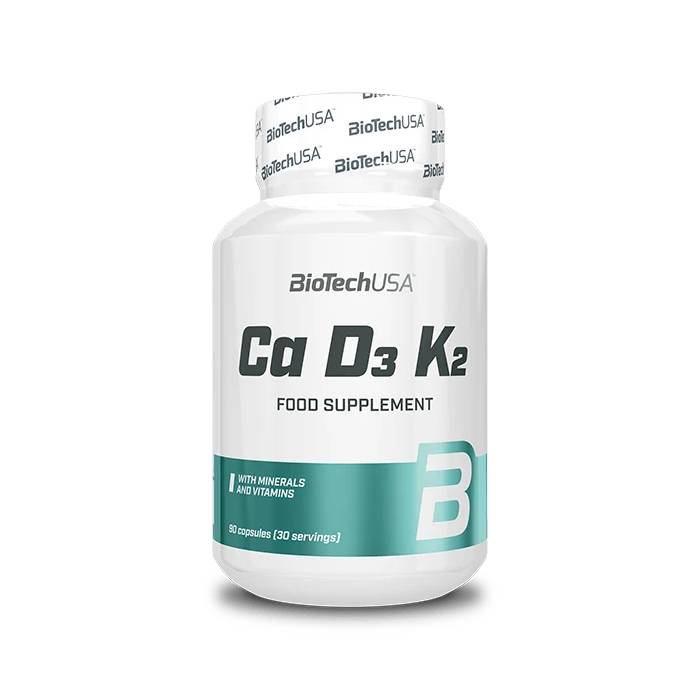
A tub of magnesium leads with a compound, oxide, citrate, malate or bisglycinate, and 500 mg of any of them is not 500 mg of the metal; the panel settles it lower down, where the elemental figure sits with its NRV percentage. That arithmetic is worked through in the magnesium guide. Calcium hides the same gap behind carbonate or citrate, which is why a tablet's front-of-pack milligrams say little about what it contributes to a day.
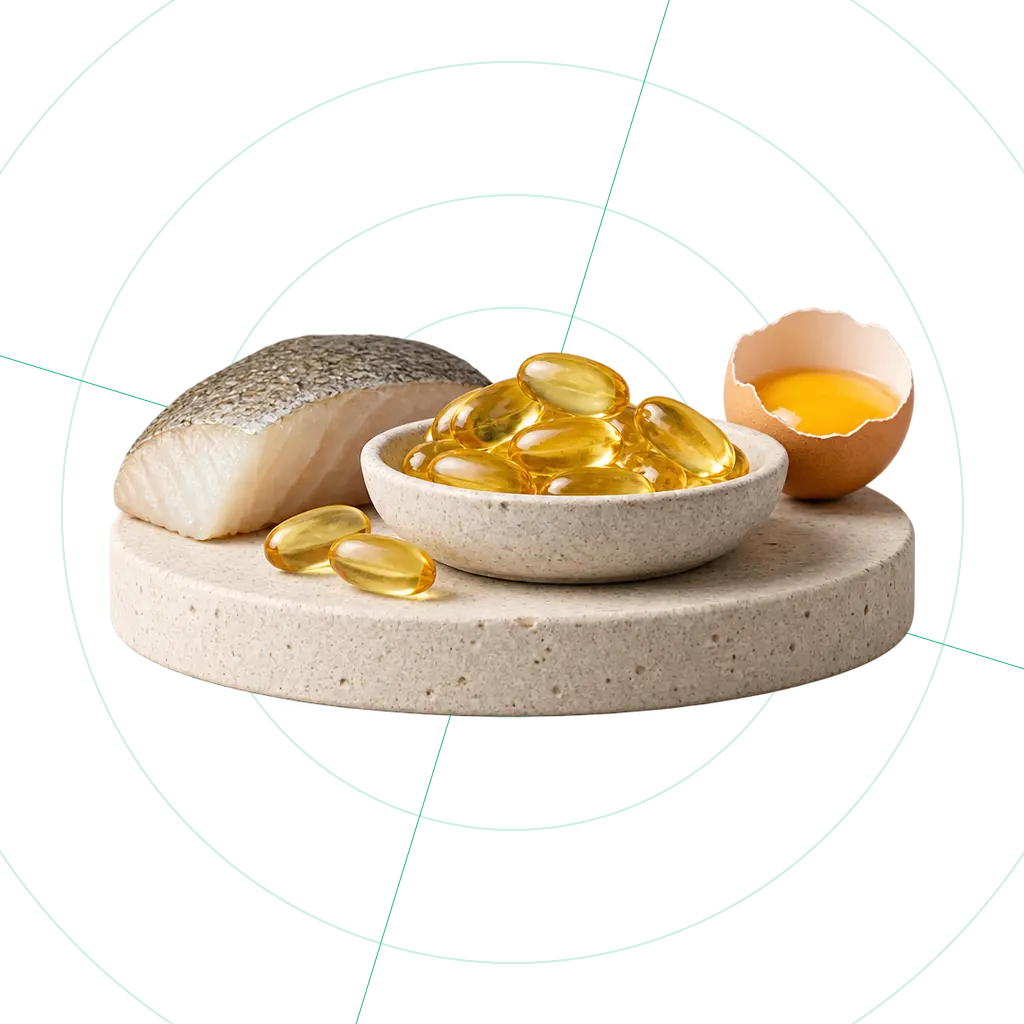
Vitamin K2 is not a dose question at all until the form is settled, since MK-7 is sold in micrograms and MK-4 in milligrams. Vitamin B6 appears as pyridoxine hydrochloride or as the active P-5-P, and inside a B-complex only its own line counts. For omega-3 the panel is where the headline unravels: a "1000 mg fish oil" front-of-pack itemises EPA and DHA beneath, with no NRV column to fill, and those two figures are what a concentrate charges for. An algae oil prints DHA as its main component and little EPA. The fish oil guide covers the line.
The three herbs that are priced by the box
Sage, red clover and black cohosh have no category of their own, so they are matched by product name, and a name match collects tinctures, teas, tablets and capsules that no per-capsule figure can rank. They are compared on pack price, which you divide by the doses the box states. Their labels differ as much as their formats: red clover is dosed on isoflavones in milligrams, sage as dried leaf or as an extract stating the milligrams of leaf one tablet stands for, and black cohosh usually under its botanical name, Cimicifuga racemosa.
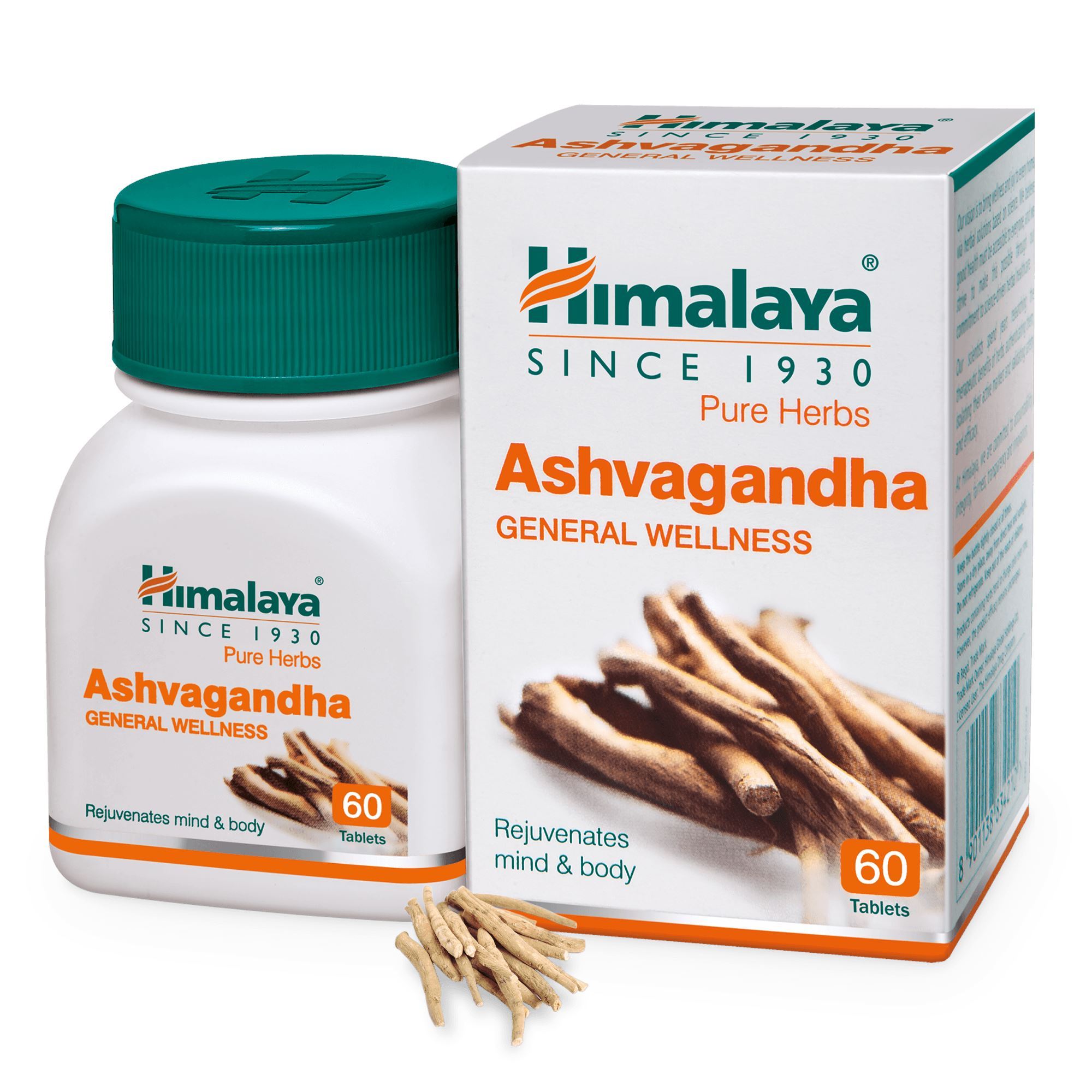
Maca and ashwagandha do have categories and rank per capsule. Both print "500 mg" whether the capsule holds plain powder or a 10:1 extract standing for ten times the raw plant, and only an ashwagandha extract carries a withanolide percentage, KSM-66 and Sensoril being two branded ones.
Peri, joint pain and the shop in the search box
"Peri menopause supplements" is searched about as often as the head term and brings back the same products. "Supplements for joint pain menopause" is the largest symptom query and returns them again; those ingredients are laid out on joints & bones, with weight loss and sleep covering the other two. A retailer's name added to a query narrows the shop rather than the ingredient, and the ranking runs across the shops Supplementscanner reads. How to read a supplement label covers what the rest of a tub's wording commits a brand to.