





By SupplementenscannerHow we compare
What a combination pack puts in one price
A pack like that is easy to buy and awkward to price against its parts. Of the names on the box, omega-3, vitamin D and glucosamine each have a ranking of their own; chondroitin is counted inside the joint support category rather than separately; vitamin C, manganese and zinc sit outside this set of ingredients altogether. So the arithmetic will never be exact. Omega-3 at least carries its own second line, the EPA and DHA per capsule rather than the fish oil milligrams on the front, worked through in buying cheap fish oil.
One molecule, two regulatory routes, and a salt in the weight
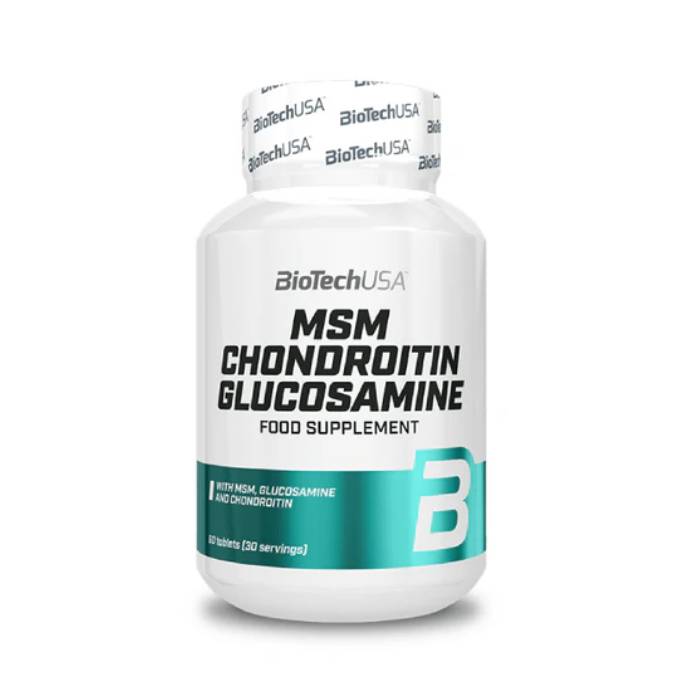
Every British result for glucosamine is a shop listing or a review. Cross the Channel and the same molecule is filed differently: in Belgium and the Netherlands it is also a licensed medicine, and the Dutch pharmacotherapeutic reference records its delivery status as over the counter. That matters for the label, because a medicine states its strength in milligrams of glucosamine. The Belgian leaflet spells the conversion out: a capsule holding 400 mg of glucosamine is equivalent to 509 mg of glucosamine hemisulfate and to 676 mg of the hemisulfate potassium chloride complex. A supplement tub usually prints the far end of that sentence, the largest number, because the potassium chloride is in the weight. A tub that carries the molecule on its own is ranked in glucosamine, per capsule. Add chondroitin or MSM to that tub and it moves to the joint support category instead, where the chondroitin keeps its own milligrams, the ranking is per capsule as well, and the dose per day is left to the directions.
MSM and boswellia have nothing in common to be weighed by
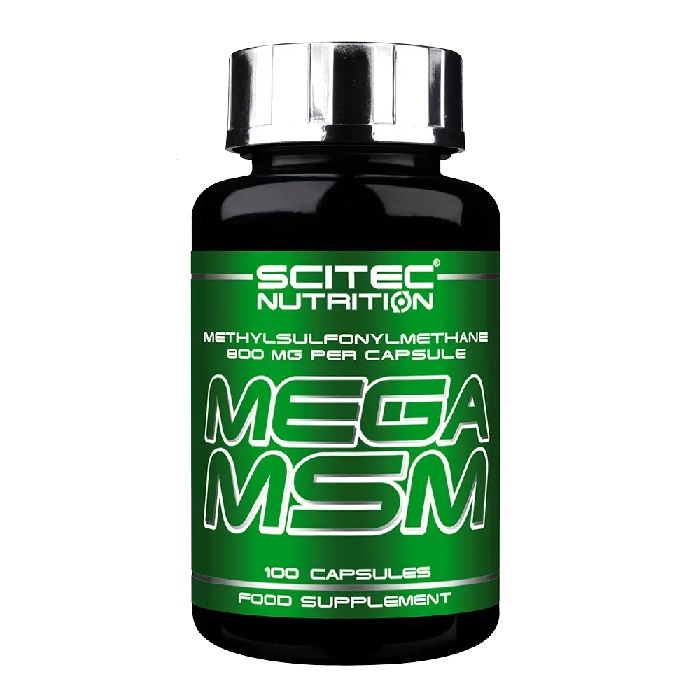
Search either name on its own and the results mix things that are not measured alike: a tub of MSM powder sold by weight beside MSM capsules dosed in milligrams, dried boswellia resin beside an extract standardised to a percentage of boswellic acids, sometimes with a separate AKBA percentage printed next to it. The price of the box is the only figure those share, and it is the one they are compared on.
Turmeric 500 mg and curcumin 500 mg are not the same capsule
Turmeric ranks per capsule, and the front of the box is where the confusion starts, because both an extract and a ground root can print a round 500 mg. The ingredients list is where it resolves: an extract standardised to 95 per cent curcuminoids says so, ground root usually states no percentage at all, and piperine or black pepper extract appearing beside either one marks a third kind of product. Collagen has the same trap in weight rather than percentage: an undenatured type II capsule from chicken is dosed in milligrams, while a scoop of hydrolysed type I and III peptides from bovine hide or fish skin is weighed in grams. A price per kilo puts both in one column, so the scoop size settles it.
Three figures for one mineral, and only one of them is ranked
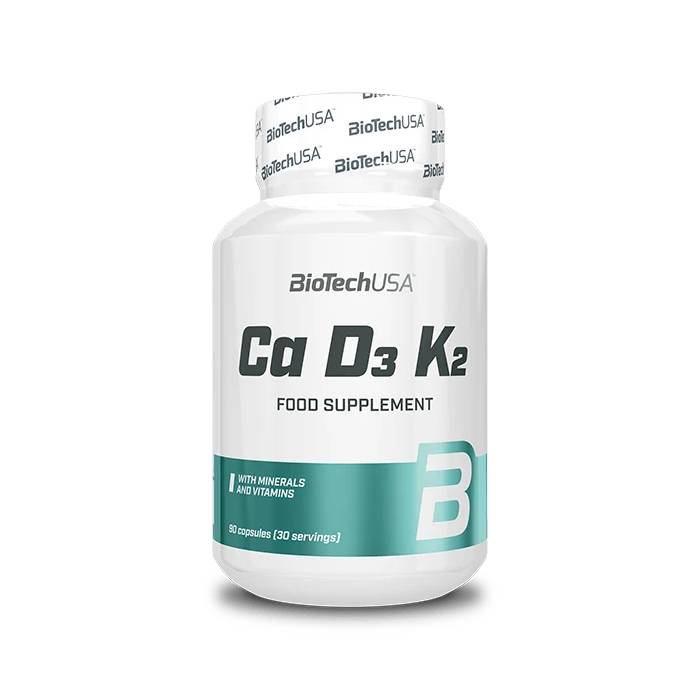
A British mineral label prints the milligrams per capsule, the percentage of the nutrient reference value beside it, and the capsules per day in the directions. Only the first of those three is what a per-capsule ranking sorts on, and none of them is a daily total: on calcium the NHS states that adults aged 19 to 64 and over need 700mg of calcium a day. Calcium, vitamin D3, vitamin K2 and magnesium each hold their own column, so a bone tablet carrying all four appears in whichever one its record placed it in. Those four come round again on menopause and immunity.