





By SupplementenscannerHow we compare
Glycinate, citrate, oxide: the two numbers on a magnesium pack
Two numbers decide a magnesium comparison, and only one of them is on the front. The front carries the salt: oxide, citrate, malate, glycinate or bisglycinate, taurate, L-threonate. The second number, elemental magnesium in milligrams, sits in the nutrition table, and it moves a long way between salts at the same capsule weight. That arithmetic is worked through in buying magnesium.
Magnesium spray, magnesium cream and magnesium drinks are all searched in Britain too. None of them states a capsule count, so none of them reaches a per-unit price.
Where melatonin sits, and what sits beside it
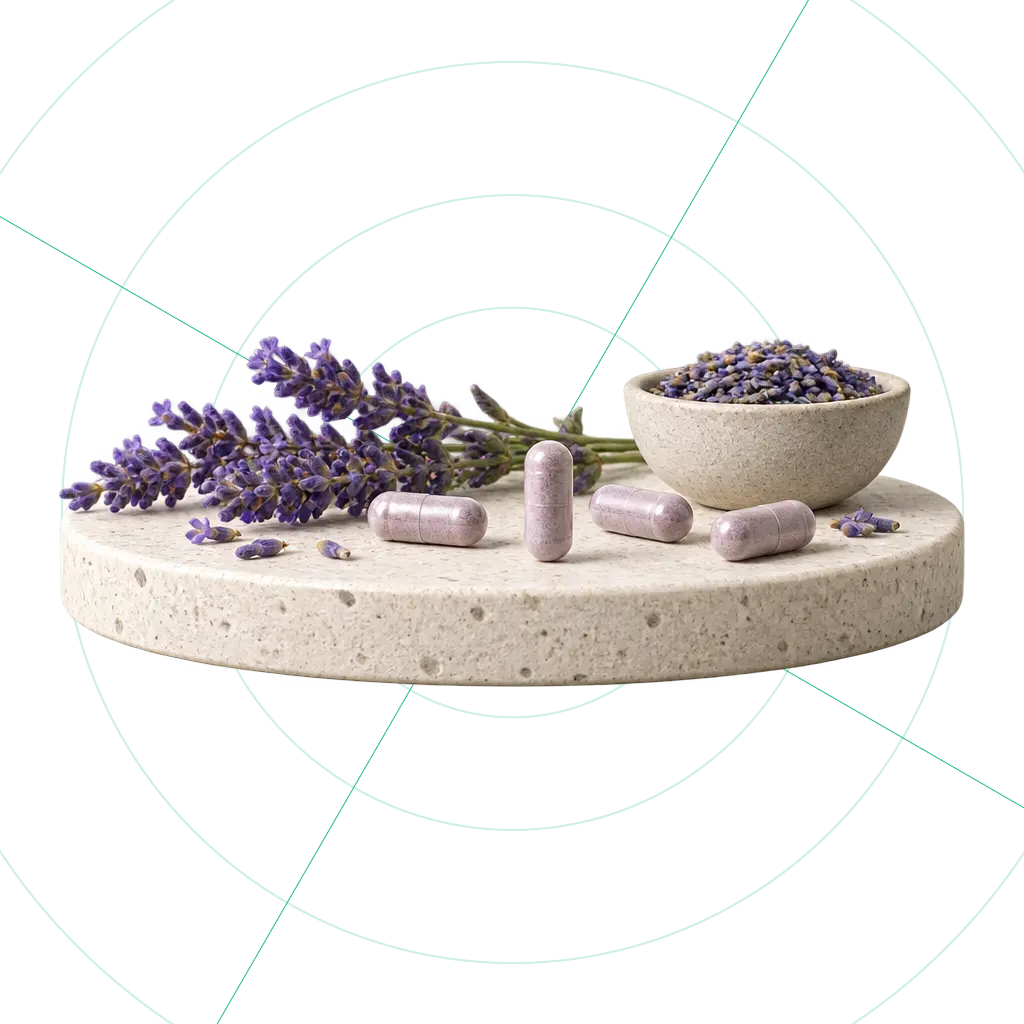
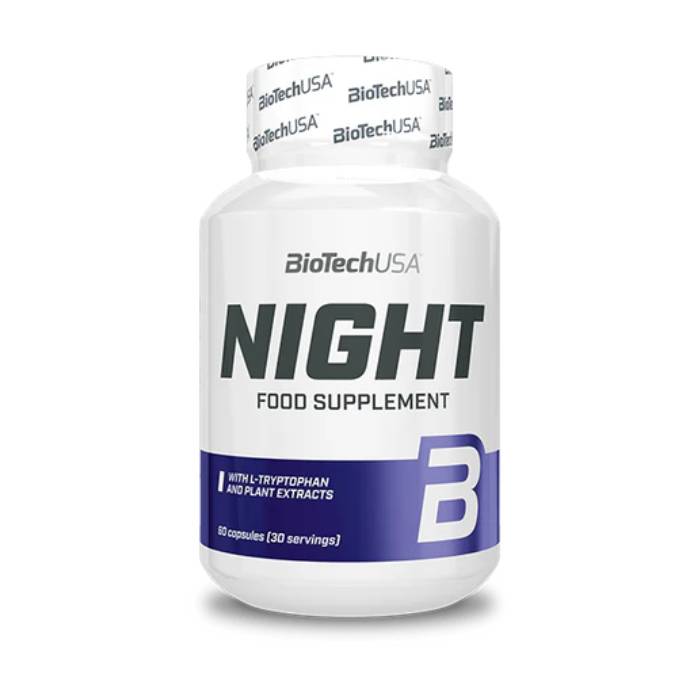
Melatonin and sleep is a single category across every market, holding single-ingredient melatonin tablets and combination night formulas alike, ranked per tablet. Under "sleep supplements" the British results that rank are retailer listings of the second kind: valerian, passionflower, hops, lemon balm, chamomile, often with vitamin B6 beside them.
The label decides whether that ranking means anything. Some packs give one line per plant with its own milligram figure; others print a single "herbal blend" line and no figures at all. A pack of the second kind cannot be set against a pack of the first, wherever it lands in the order. Which other words on a pack fix nothing at all is set out in reading a supplement label.
The two labels that leave the arithmetic to you
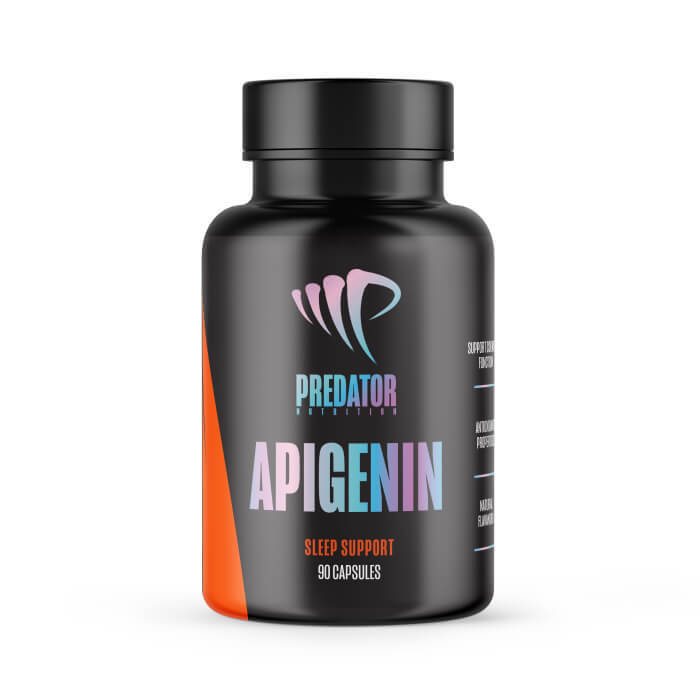
Two of the six lanes print a percentage where a dose was expected. Apigenin arrives either as apigenin in milligrams or as a chamomile extract standardised to a percentage of apigenin; in the second case the milligram figure only exists after a multiplication.
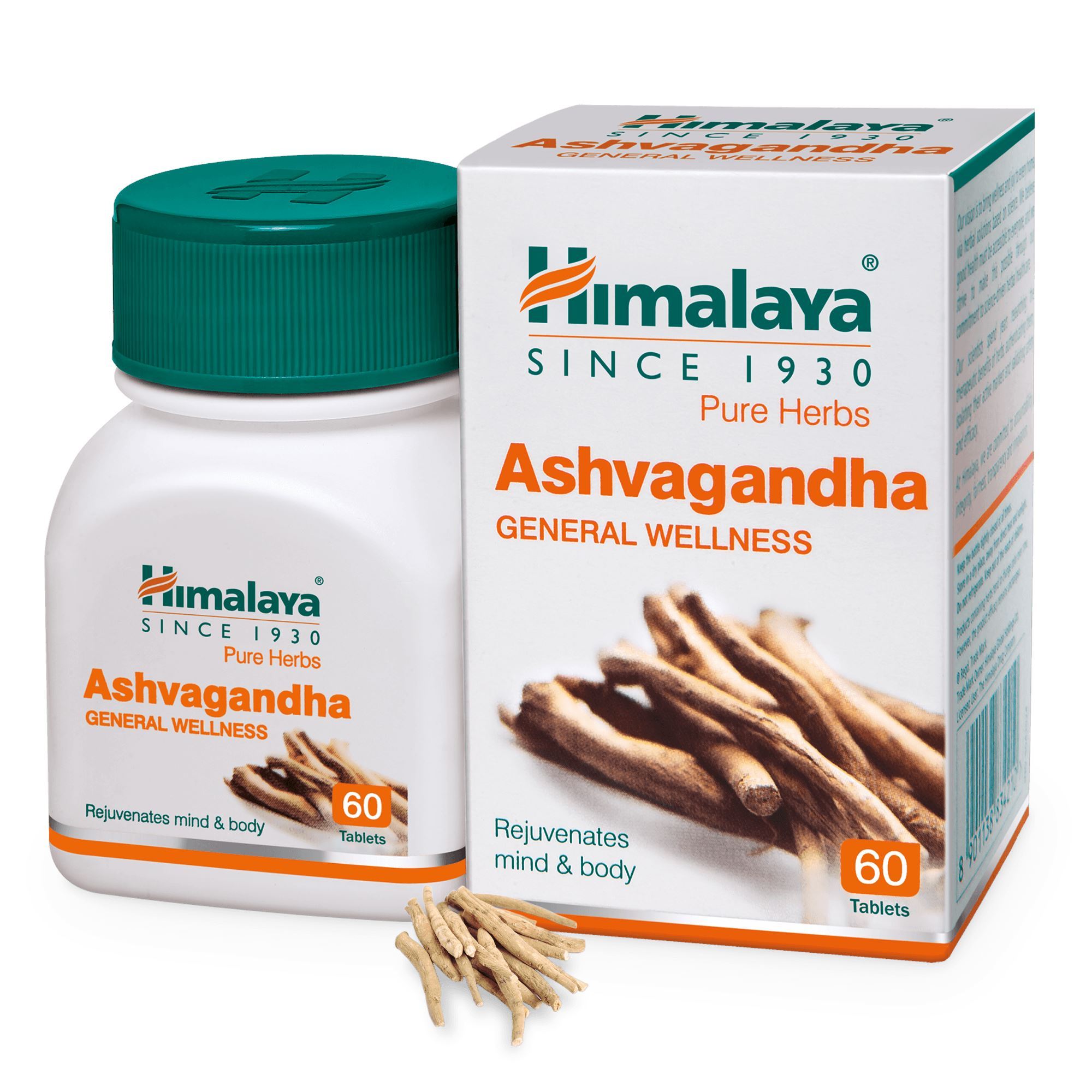
Ashwagandha splits the same way, between milled root and an extract carrying a ratio such as 10:1 or a stated percentage of withanolides. KSM-66 and Sensoril are the extract names most often printed. Root and extract are not the same capsule, and the ingredient turns up again on menopause.
L-theanine prints its number; glycine is sold by the tub
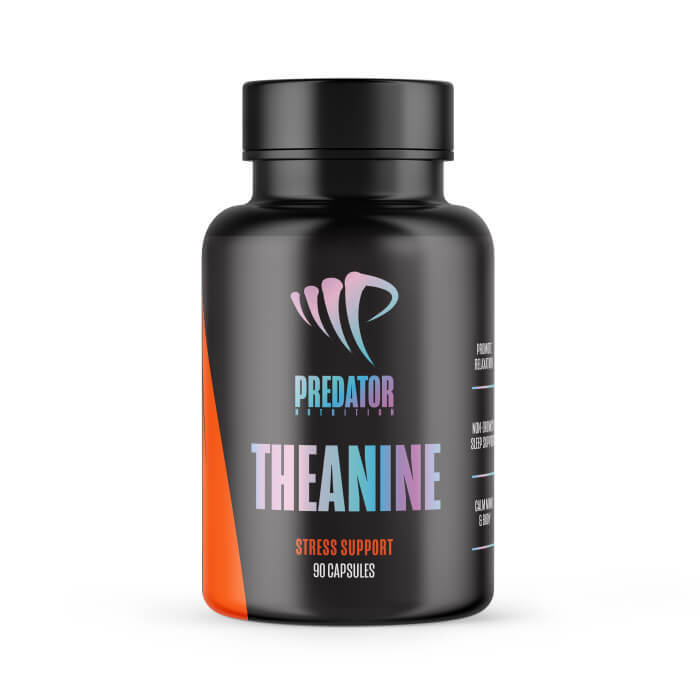
L-theanine asks nothing of the reader: milligrams per capsule, printed as such, with 100, 200 and 400 mg formats on sale. Suntheanine is a brand of the same molecule rather than a different strength, and where green tea extract shares the panel only the L-theanine line counts. The same capsules turn up on energy and focus.
Glycine has no category of its own, so the comparison stops at the pack. A name match brings back powders dosed in grams per scoop alongside capsules dosed in milligrams, and the servings figure on the packaging is what turns that pack price into anything finer.
The long tail of British sleep search
Beyond the head terms sit the shop and format names: "sleep supplements boots", "sleep supplements natural", "sleep supplements ashwagandha", "melatonin gummies uk". Adding a shop to a query narrows where to buy and never what the label says, and the melatonin variants arrive back at the prescription answer. Shops also stay separate: nothing joins two shops to a single product record, so a ranking sets one shop's pack against another shop's pack rather than one product's prices against each other.